.png&w=3840&q=75)
* All product/brand names, logos, and trademarks are property of their respective owners.
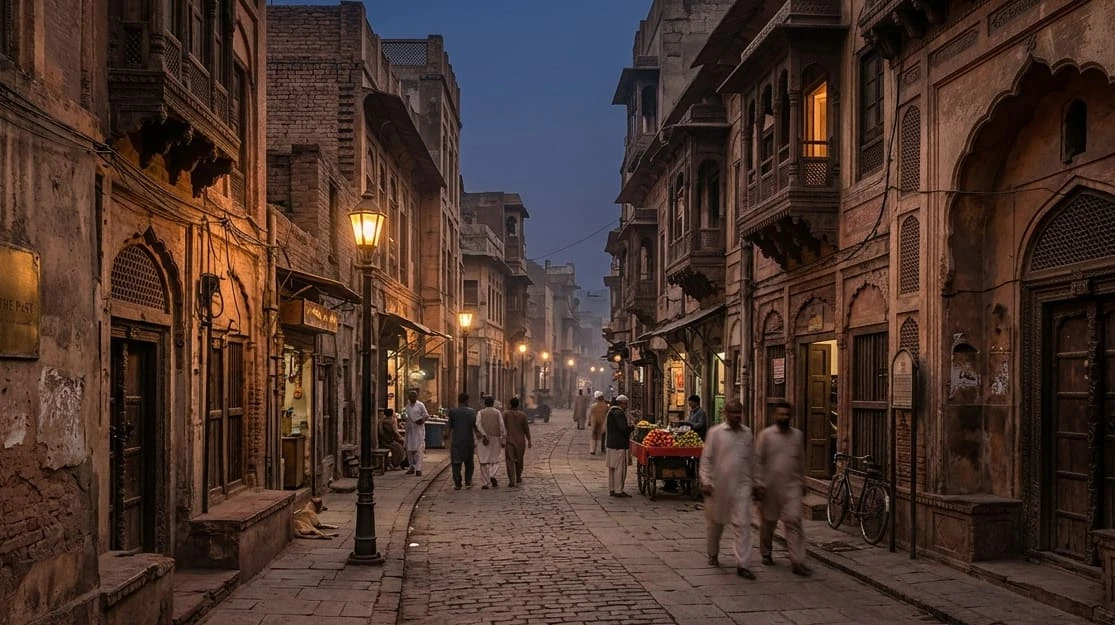
Every street has a memory. Some remember the sound of traders calling out prices, some carry the footsteps of generations, and some hide stories beneath faded signs, old doorways, and names people pass every day without questioning.
The history of streets is not only about roads, stones, or buildings. It is about people. Streets show how communities lived, worked, celebrated, struggled, and changed over time. A quiet lane, a crowded market road, or an old neighborhood corner can reveal more about a place than a monument ever could.
When we walk through streets with a little more attention, the past begins to feel closer. What first looks ordinary may actually be a living record of culture, memory, and hidden stories.
Streets are often treated as simple routes, but they are also records of the people who shaped them. A street can hold layers of history in its buildings, names, sounds, smells, and daily routines. Even when a city changes, traces of the past often remain in small details.
An old street may show:
Unlike museums, streets do not keep history behind glass. They carry it in everyday life. A family-run shop, a worn stone step, a corner tea stall, or a narrow lane can all tell us something about how people lived before us.
That is why ordinary streets can be just as meaningful as famous landmarks. Monuments usually tell the official story, but streets often carry the human one.
Streets can show history in ways that books sometimes cannot. Their shape, location, materials, and surroundings often reveal how a city grew and what mattered to the people who lived there.
A wide road may point to trade, processions, or military movement. A narrow lane may belong to an older part of town where people built close together for shade, safety, or community life. A street near a river, port, railway station, or market can reveal how business and movement shaped the area.
Streets also carry signs of migration and change. A neighborhood may begin with one community, then slowly take on new languages, foods, shops, and traditions as new people arrive. Over time, the street becomes a record of many lives layered together.

Even small details can speak:
These details remind us that streets are not frozen in the past. They change with every generation, but they rarely erase everything that came before.
Culture does not live only in museums, festivals, or old books. It also lives in the everyday rhythm of a street. You can see it in the food being cooked at roadside stalls, the language written on shop signs, the music drifting from open doors, and the way people gather at certain corners. A street’s culture is shaped by what people do there again and again.
Markets are one of the clearest examples. They show what people eat, sell, repair, value, and exchange. A single market street can reveal:
Street art, murals, and graffiti also add cultural meaning. Sometimes they celebrate identity. Sometimes they protest. Sometimes they simply mark a moment that mattered to the people living there.
This is what makes street culture so powerful. It is not always planned or polished. It grows naturally through people, movement, memory, and shared daily life.
Not all stories are written clearly. Many are hidden in small, easy-to-miss details that most people walk past without noticing. Once you start paying attention, these details begin to reveal layers of the past.
Here are some of the most common clues:
These details may seem ordinary at first glance, but together they form a deeper, more personal version of history—one that is shaped by everyday life rather than official records.
Street names are more than simple labels. They often carry layers of history, identity, and power that reflect the time in which they were given.
Many streets are named after:
These names can quietly preserve stories that might otherwise be forgotten. For example, a street named after a trade may point to what the area was once known for, while a name tied to a person can reflect who held influence or respect at the time.

Street names can also change. When they do, it often signals a shift in politics, identity, or social values. Renaming a street might be an attempt to honor new figures, remove controversial ones, or reshape how a place is remembered.
Because of this, street names act like a timeline. They show not only what a place was, but also how it chooses to define itself over time.
Sometimes, the easiest way to understand a street is to connect what you can see with what it quietly represents. Many everyday features hold deeper meaning once you look beyond their surface.
| Street Feature | Hidden Meaning |
|---|---|
| Old building fronts | Past architecture, wealth, trade, or community identity |
| Street names | Political memory, local heroes, languages, or erased histories |
| Markets | Migration, food culture, labor, and daily life |
| Murals | Protest, identity, celebration, or shared experiences |
| Narrow lanes | Older city planning, climate needs, or defense patterns |
These connections help turn an ordinary walk into something more meaningful. Instead of just passing through, you begin to understand how each element fits into a larger story.
A decorated wall might reflect a moment of pride or resistance. A narrow alley could show how people adapted to heat or safety concerns. Even a busy market can reveal decades of cultural exchange and survival.
Old streets are not just about the past—they shape how people understand their identity in the present. When these streets disappear or lose their character, entire layers of memory can fade with them.
Preserving historic streets helps in several ways:

At the same time, preservation does not mean freezing a street in time. Cities need to grow and adapt. The challenge is finding a balance—allowing modern life to move forward while still respecting and protecting the stories that came before.
When done thoughtfully, old streets can continue to evolve without losing what makes them meaningful.
Streets are more than just pathways—they are quiet storytellers. Every corner, sign, building, and name carries something from the past, even if it is not immediately visible.
The history of streets lives in everyday details. It appears in the way people gather, the businesses that survive through generations, the names that remain, and even in what has disappeared over time. These elements come together to form a deeper understanding of place—one shaped not only by major events, but by ordinary lives..

Nigarish Nadeem is a passionate content writer and guest posting contributor who specializes in creating engaging, SEO-friendly content across multiple niches including technology, business, marketing, lifestyle, and digital trends. With a focus on quality writing and audience value, she helps brands improve their online visibility through informative and well-researched articles.
Be the first to share your thoughts
No comments yet. Be the first to comment!
Share your thoughts and join the discussion below.